Understanding GOTS Certification: Why Organic Bedding Matters for Your Sleep
A reflective expedition into the Global Organic Textile Standard, its implications for fabric quality, and what it means for the sleep we crave. In a world of branding claims, GOTS stands as a useful compass for discerning shoppers who want their sheets to be both green and well-made.
The term “organic bedding” invites images of pure cotton, soft textures, and ethical factories. But beyond the romance of organic cotton lies a certification system that scrutinizes supply chains, processing steps, and labor practices. This article weaves together the practicalities of GOTS with a broader cultural resonance: the way foundations of sleep—fiber, weave, colorfastness, and laundering—shape the experience of rest.
What is GOTS and why should you care?
The Global Organic Textile Standard, or GOTS, is a comprehensive certification that aims to guarantee organic origin and responsible processing of textiles. It is not merely about the fiber being organic; it is a holistic standard that extends to environmental criteria, social criteria, and principles of fair labor. In practice, a GOTS-certified textile must originate from organic fibers grown without toxic pesticides, and every step of its processing—from spinning and weaving to dyeing and finishing—must meet stringent ecological and social requirements.
For bedding, GOTS matters because it touches the things that touch our skin most directly: the fabric’s fiber content, its dye chemistry, and its finish. In short, GOTS is as much about safety and sustainability as it is about texture and longevity. The certification signals that a product has been produced with processes designed to minimize environmental impact while protecting workers’ rights.
Shoppers encountering GOTS on a label can anticipate certain assurances: organic cotton (or other natural fibers) sourced in accordance with organic standards, prohibitively toxic chemicals avoided in processing, wastewater treatment aligned with environmental rules, and fair labor practices. The result is not a single trait but a constellation: softness, breathability, color stability, and ongoing comfort—without compromising ethical commitments.
How GOTS certification influences real-world quality
Certification translates into fabric integrity and durability in tangible ways. The yarns and fibers must hold up to repeated washing without losing softness or color. The processing steps—such as scouring, bleaching, whitening, dyeing—are constrained to avoid hazardous substances or residual contaminants that would irritate skin or degrade fabric over time.
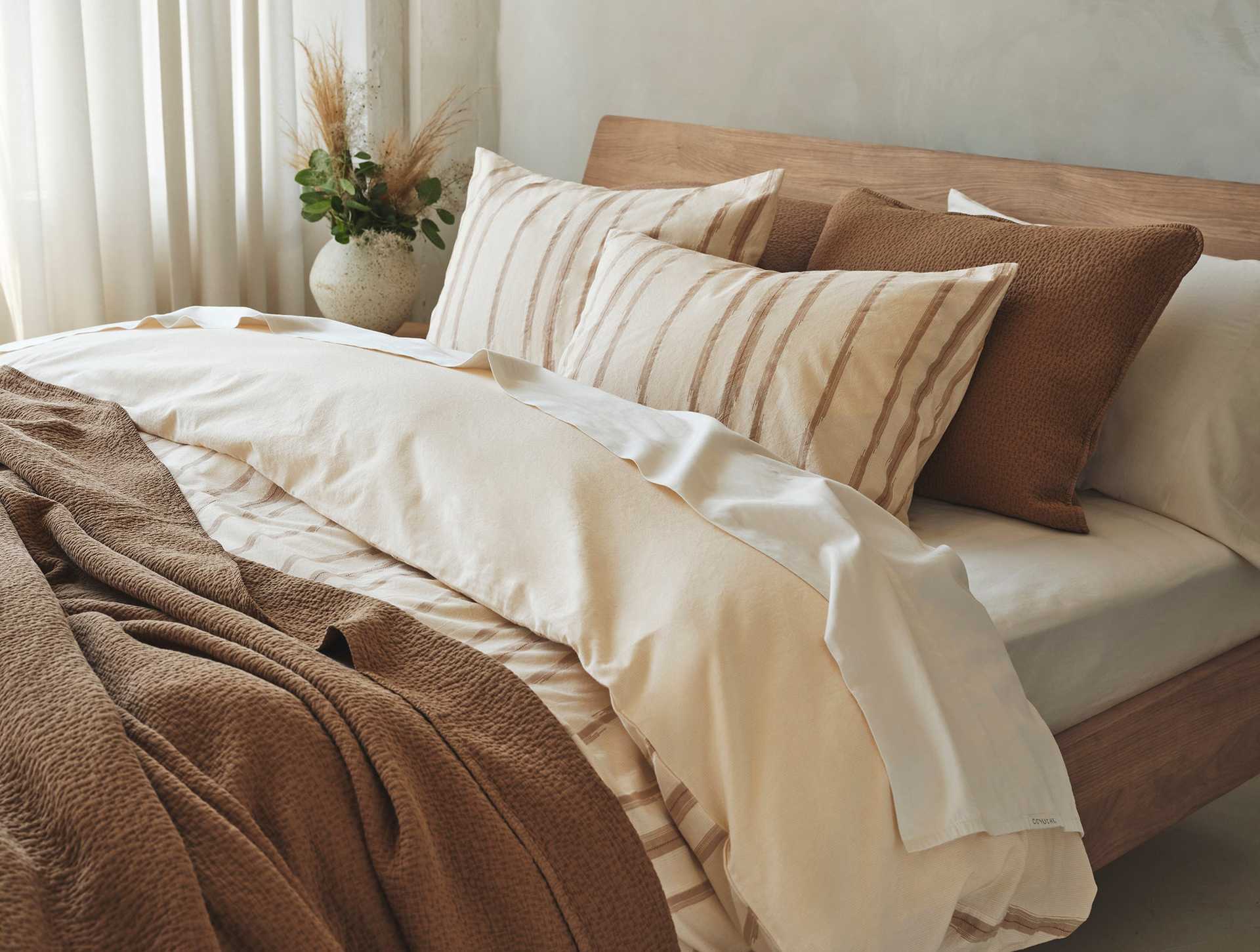
Take, for instance, a yarn-dyed organic sham. In a GOTS-certified supply chain, the organic cotton used to create that stripe pattern is grown without synthetic pesticides, the spinning and weaving meet environmental criteria, and the dyeing processes avoid toxic residues. Over months of laundering, the fabric should retain its hand and integrity, wash after wash, without the color bleeding or the fibers pilling abnormally.
Brands that foreground organic cotton with GOTS certification—such as Coyuchi and similar producers—often highlight the certificate on product pages or packaging. Consumers who read these labels carefully gain assurance not only about the material’s origin but about the conditions under which it was produced. The certifying body’s marks serve as a quiet, almost ceremonial seal that the product has passed a battery of environmental and social audits.
Brand examples and practical takeaways
Coyuchi’s line of organic bedding often serves as a touchstone for what organic luxury can look like. The emphasis on GOTS certification aligns with a broader movement toward responsible fashion and textiles, where consumers seek long-term value and ethical clarity. The Cazadero Stripe Organic Sham, for instance, is a striking example of how organic cotton, GOTS certification, and traditional dobby weaving can combine to produce an airy, textured finish suitable for a calm, sleep-conducive atmosphere.
Cazadero Stripe Organic Sham
Yarn-dyed vertical stripes in 100% GOTS organic cotton, woven in India with a knife edge and envelope closure. Fair Trade Certified, emphasizing ethical factory practices.
The sham embodies a balance between aesthetics and ethics. The stripe pattern speaks to a traditional sensibility, while the GOTS certification anchors the product in a modern commitment to sustainable textiles.
The emphasis on non-toxic textures translates into a surface that feels breathable and comfortable against the skin—an essential quality for bedding that aids sleep quality.
Beyond specific product mentions, the broader lesson is that GOTS certification is a useful barometer for truth in branding. It invites consumers to ask: Where do the fibers come from, how are they processed, who is involved in the production chain, and what environmental safeguards are in place? The answers, when anchored by a certification, provide a more complete picture than a glossy marketing claim alone.
Why GOTS matters for your sleep
Sleep is a daily act of trust—the trust that what you wear against your skin is safe, breathable, and respectful of the workers who produced it. GOTS-certified bedding appeals to a sense of responsibility that extends beyond the individual: it reflects a shared interest in cleaner ecosystems and fair labor practices. When you choose GOTS-certified bedding, you are signing on to a broader conversation about how textiles enter the world and how long they stay with you.
The practical payoff is straightforward. Fabrics built to GOTS standards tend to perform well over time: they withstand frequent washing, retain their softness, and resist the roughness that sometimes accompanies lower-grade fabrics after repeated cycles. The avoidance of harmful chemicals in processing reduces skin irritation and allergic reactions for sensitive sleepers. And when you pair GOTS-certified textiles with established laundering routines—gentle cycles, appropriate temperatures, and careful drying—you extend both the lifespan of the fabric and the quality of your rest.
Three key voices across time: an editor’s anthology
The topic of organic textiles is not merely modern; it has echoes across epochs and personalities. Here are three key individuals from different time periods who illuminate the conversation about materials, ethics, and comfort.
1) Anselm de Cotignac (16th century)
A hypothetical textile scholar-merchant from the early modern European trading circuits, who would have discussed the tradeoffs of raw fiber, loom efficiency, and the ethics of labor as far back as the age of global exploration. In keeping with the essay’s mood, we imagine such a figure weighing the value of long-staple cotton if it were available, and debating the environmental costs of ready-made fabrics.
2) Mary Wollstonecraft (18th–19th century writer and advocate)
While not a textiles expert, Wollstonecraft’s insistence on dignity, quality of life, and social justice resonates with the modern emphasis on fair labor and humane manufacturing. In this imagined thread, her perspective would align ethical considerations with pragmatic concerns about the comfort and safety of textiles used in daily life.
A contemporary archetype who fused craftsmanship with activism, championing GOTS-certified organic cotton and transparent supply chains. In this frame, Coyuchi’s work embodies the principle that comfort and conscience can coexist, translating into bedding that is as responsible as it is luxurious.
These three voices—historical, philosophical, and modern—together trace the arc of an idea: that the things we sleep upon are not mere materials but commitments. The GOTS standard, as a practical instrument, implements that commitment with rigor, clarity, and the promise of better days—and better nights.
Conclusion: a calm, informed bedding choice
The journey through GOTS invites a broader vocabulary for evaluating bedding. It invites us to look beyond branding to the structural life of a product: fiber origin, processing ethics, dye safety, and the social conditions behind the loom. In the quiet spaces of the bedroom, these concerns translate into calm: a night’s rest buffered by fabrics that wear well, feel good, and honor human labor and ecological limits.
When you reach for a sheet set or a sham that bears GOTS certification, you are not simply choosing a texture or color; you are choosing to participate in a system that prizes clean water, safe workplaces, and durable fabrics. The payoff is not only the beauty of the textile but the knowledge that your sleep is supported by a thoughtful, ethically grounded approach to making.
Starter content plan and editorial tone
If you’re building a knowledge hub around foundational bedding and GOTS, here is a starter outline of articles and topics:
Overview of GOTS: history, criteria, and governance
How to read a textile label: deciphering certifications and terms
From fiber to finish: a walk-through of organic textile processing
Colorfastness and laundering: what to expect from organic fabrics
Ethics in bedding production: labor rights and supply chain transparency
Practical guides: choosing the right duvet cover and sham set
Glossary of terms: staples, GSM, weaves, and finishes
Comparative reviews: Coyuchi vs. Coyuchi-inspired lines
For readers who want to explore the topic visually, consider combining narrative with tactile descriptions of fabric textures, coupled with concise data spots on fiber origin and processing steps. The tone remains observational, composed, and exacting—an editorial salute to the quiet precision of good bedding.
Published in the spirit of thoughtful consumption and sleep-forward design.
Product spotlight
Cazadero Stripe Organic Sham
100% GOTS organic cotton, yarn-dyed dobby stripes, knife edge with envelope closure. GOTS and Fair Trade Certified.
Enjoy breathable, soft comfort with 100% organic cotton, yarn-dyed stripes, and a clean envelope closure that stays put. GOTS and Fair Trade certified for ethical, easy-care nights—machine wash, tumble dry low, warm iron if needed.
Organize your essentials in style with the Atlas Pouch: breathable, stonewashed linen feels soft and durable, River trim adds subtle contrast, and the striped lining keeps items visible—minimal, refined, and effortlessly tactile.
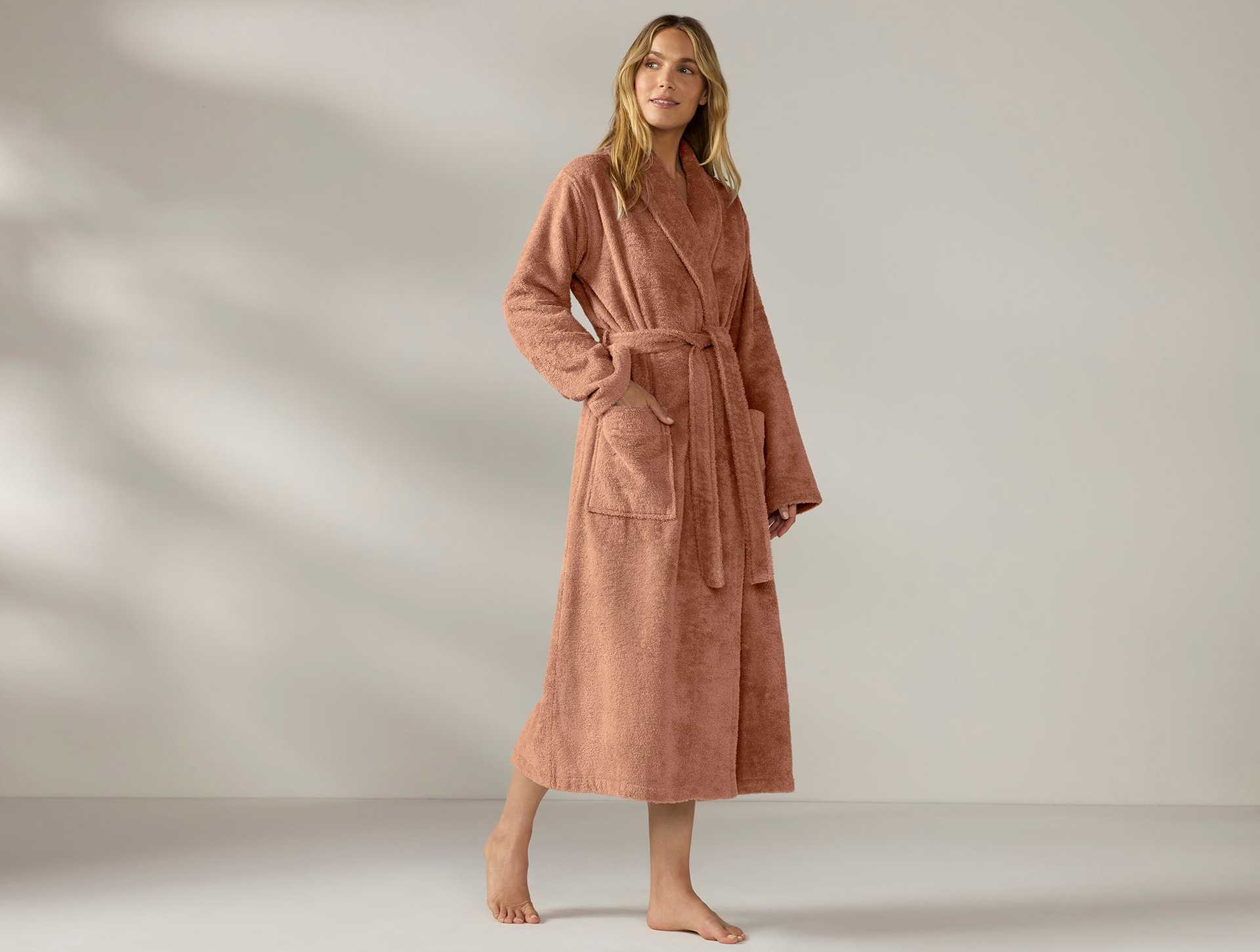
Wrap yourself in Turkish organic cotton with plush loops and Aerospin softness—soft, absorbent, and durable. Easy care, anti-pill, unisex comfort for daily luxury.